Alone Together: Confronting the Hidden Health Crisis of Social Isolation in Humboldt County
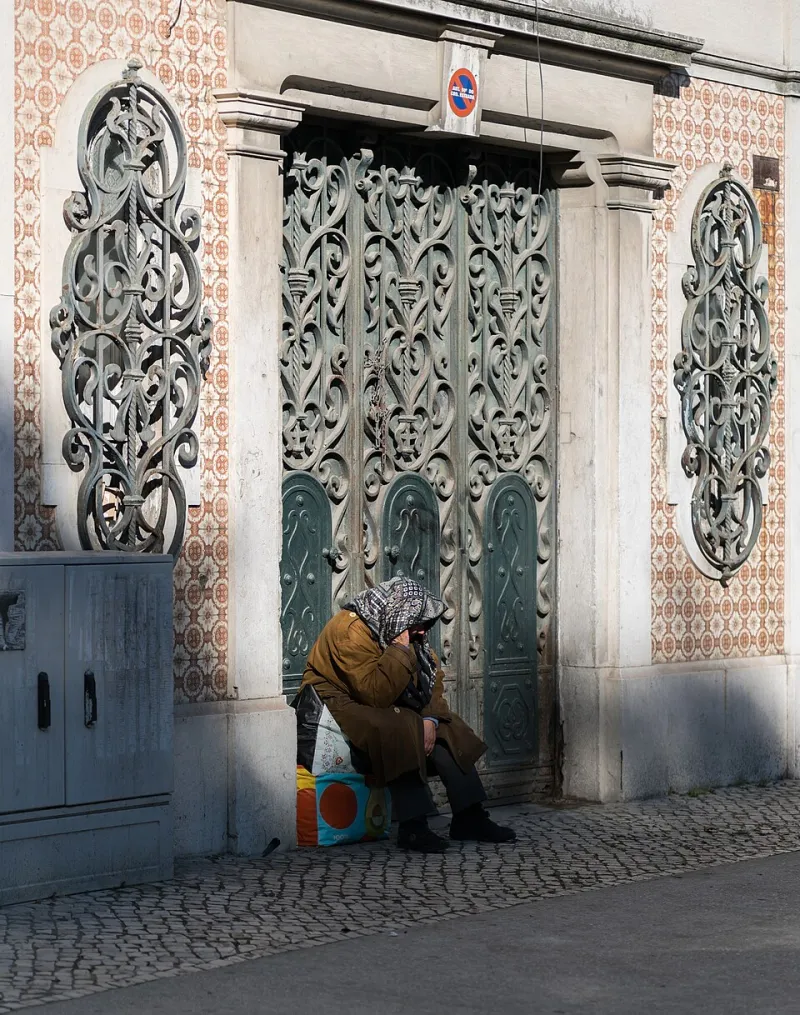
Photo: Jules Verne Times Two, CC BY-SA 4.0, via Wikimedia Commons
Humboldt County carries a certain mythology of rugged self-sufficiency. Its residents are accustomed to long drives, independent living, and a relationship with solitude that many outsiders might find daunting. For many, that independence is a point of pride. But beneath the surface of that narrative lies a quieter and more troubling reality: loneliness is widespread here, and it is making people sick.
In 2023, the U.S. Surgeon General issued a formal advisory declaring loneliness and social isolation a public health epidemic. The report drew on decades of research linking insufficient social connection to elevated risks of heart disease, stroke, dementia, depression, anxiety, and premature mortality. The findings were striking: chronic loneliness was found to carry health risks comparable to smoking fifteen cigarettes per day.
For communities like Humboldt County—geographically dispersed, underserved by transit, and home to populations with historically limited access to social infrastructure—these findings are not abstract statistics. They describe a lived reality affecting neighbors, family members, and perhaps ourselves.
Understanding What Loneliness Actually Is
Loneliness is frequently misunderstood. It is not synonymous with being alone. A person can live in a densely populated area, surrounded by acquaintances, and still experience profound loneliness. Conversely, someone living in a remote homestead with limited daily contact may feel deeply connected to their community and relationships.
What researchers measure is the gap between the social connection a person desires and the connection they actually experience. When that gap is large and persistent, the body responds with measurable physiological stress. Inflammatory markers rise. Sleep quality declines. The immune system becomes less effective. Over time, these responses accumulate into the chronic disease patterns that healthcare providers see in their patients.
In Humboldt County, that gap is widened by structural factors that have little to do with individual personality or social skill. Distance is the most obvious: a resident in Blocksburg or Petrolia does not simply decide to attend a community event—they calculate fuel costs, road conditions, and time. For elderly residents, those calculations may also involve driving ability and physical capacity.
Who Is Most at Risk in Our Community
While loneliness can affect anyone, certain populations within Humboldt County face disproportionately elevated risk.
Older adults represent perhaps the most well-documented vulnerable group. Retirement, the loss of a spouse or close friends, reduced mobility, and the gradual erosion of familiar social roles can conspire to create profound isolation. In a county where adult children often relocate to urban centers for employment, the social networks of aging residents may shrink considerably over time.
Young adults are another group that public health researchers have flagged with increasing urgency. Counterintuitively, rates of loneliness among adults in their twenties rival those seen in the elderly. For young people in Humboldt County, limited economic opportunity and the departure of peers to larger cities can create a social landscape that feels depleted and discouraging.
Individuals with disabilities or chronic illness often face compounded barriers. When health conditions restrict mobility or energy, the effort required to maintain social relationships increases precisely when the capacity to sustain that effort decreases.
LGBTQ+ residents, particularly those in rural areas of the county, may experience isolation rooted not only in geography but in the absence of affirming social spaces and community structures.
Immigrants and non-English-speaking residents may find linguistic and cultural barriers that make building meaningful local connections genuinely difficult, even in communities that are formally welcoming.
The Science of Connection—and Why It Heals
Human beings evolved as intensely social animals. The neurological architecture of our brains reflects this: we are wired to seek belonging, to read social cues, and to regulate our emotional states through co-regulation with others. When that system is chronically deprived of input, it does not simply idle—it activates stress responses that were designed for short-term threats, not sustained conditions.
Conversely, meaningful social connection triggers the release of oxytocin, reduces cortisol levels, and supports the kind of parasympathetic nervous system activity associated with healing, rest, and immune function. Put plainly: relationships are physiologically restorative in ways that medication cannot fully replicate.
This is why researchers and clinicians increasingly speak of social connection not as a nice-to-have quality of life factor but as a determinant of health on par with sleep, diet, and physical activity.
What Humboldt County Is Already Doing
It would be inaccurate to suggest that Humboldt County is passive in the face of this challenge. A number of local initiatives reflect genuine community investment in combating isolation.
Senior centers in Eureka and surrounding communities offer programming designed not merely as recreation but as structured opportunities for consistent social contact. Volunteer driver programs help older and disabled residents maintain access to those spaces. Faith communities throughout the county continue to function as informal social safety nets, particularly in smaller towns where formal services are limited.
Peer support programs within mental health services create relationships rooted in shared experience—a form of connection that carries particular therapeutic value. Community health workers, who often share cultural and geographic backgrounds with the populations they serve, build trust-based relationships that function as bridges between isolated individuals and broader support networks.
Libraries—often underestimated as health resources—serve as accessible, low-barrier gathering spaces where residents of all ages can be present among others without the pressure of formal social engagement.
Practical Steps Toward Greater Connection
For individuals and families navigating isolation, a few evidence-informed strategies merit consideration.
Consistency matters more than intensity. Research suggests that regular, low-key contact—a weekly phone call, a standing coffee arrangement, a recurring volunteer shift—produces more lasting benefits than occasional large social events. The goal is not dramatic social expansion but reliable, predictable connection.
Community involvement in structured activities provides what psychologists call "functional belonging"—the experience of contributing to something beyond oneself. Volunteering, joining a club, or participating in a community project can generate meaningful connection even when the relationships involved are not deeply intimate.
For those experiencing clinical levels of loneliness or depression, professional support through counseling or therapy remains an important option. Telehealth services have expanded access for Humboldt County residents who cannot easily travel to in-person appointments.
A Community-Wide Responsibility
Addressing social isolation in Humboldt County is not a task that individuals can accomplish alone—and the irony of that statement is not lost on us. It requires deliberate investment at the community and policy level: transportation solutions that allow residents to participate in social life, land-use planning that encourages gathering spaces, healthcare systems that screen for loneliness as routinely as they check blood pressure, and cultural messaging that normalizes asking for and offering connection.
At LifeCare Humboldt, we recognize that the health of our community is ultimately the health of our relationships—with one another, with our neighbors, and with the social fabric that holds us together across the distances that define this remarkable place. Loneliness is not a personal failing. It is a public health challenge, and meeting it requires all of us.