Rooted in Nature: How Humboldt County's Wild Landscapes Are Quietly Healing Its Residents
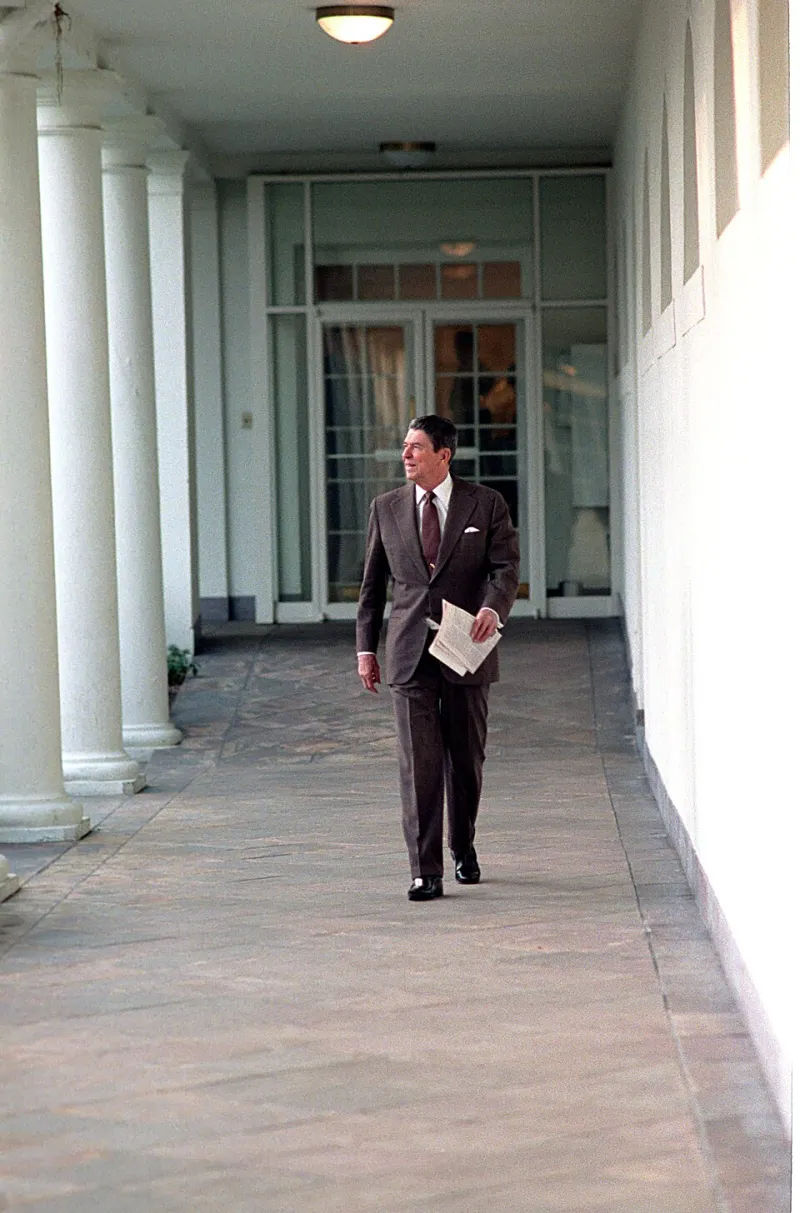
Photo: President (1981-1989 : Reagan). White House Photographic Office. 1981-1989, Public domain, via Wikimedia Commons
There is something that long-time Humboldt County residents often describe as difficult to put into words — a sense of calm that settles in when the coastal fog rolls across the bluffs, or when the cathedral silence of an old-growth redwood grove wraps around you. For many people, that feeling is not merely poetic. It is physiological, psychological, and increasingly, it is the subject of serious scientific inquiry.
At LifeCare Humboldt, we believe that understanding the full spectrum of health resources available to our community means recognizing what is already here — growing in the soil, flowing through the rivers, and standing in groves that have endured for thousands of years.
What the Research Tells Us About Nature and the Mind
The relationship between natural environments and mental health has been studied extensively over the past two decades. A landmark body of research emerging from Japan, known as shinrin-yoku or "forest bathing," demonstrated that spending time among trees measurably reduces cortisol levels, lowers blood pressure, and decreases activity in the prefrontal cortex — the region of the brain associated with rumination and self-referential thought patterns linked to depression and anxiety.
More recent studies published in journals such as Frontiers in Psychology and Environmental Health Perspectives have reinforced these findings across diverse populations. Researchers have consistently found that individuals who spend at least two hours per week in natural settings report significantly higher levels of health and wellbeing compared to those who do not. Proximity to green and blue spaces — forests, parks, coastlines, and waterways — has been associated with lower rates of anxiety disorders, reduced symptoms of post-traumatic stress, and improved cognitive function.
For Humboldt County residents, these findings carry particular weight. The region is home to some of the most biologically rich and visually striking landscapes in the continental United States, including Redwood National and State Parks, the Lost Coast, the Eel River corridor, and Humboldt Bay. In many respects, the county's geography positions its residents with rare and meaningful access to exactly the kind of environments that researchers say support psychological restoration.
Perspectives from Local Practitioners
Mental health professionals working in Humboldt County have long observed what the research is now confirming. Therapists and counselors across the region report that many of their clients — whether dealing with chronic stress, grief, seasonal depression, or the compounding pressures of rural life — find measurable relief through intentional engagement with the natural world.
Several local practitioners have begun integrating nature-based therapeutic approaches into their work. Walk-and-talk therapy, in which sessions take place outdoors rather than in a clinical office setting, has gained traction as an accessible and effective modality for clients who find traditional indoor environments inhibiting. Wilderness therapy programs serving adolescents and young adults in the region have similarly reported improvements in participants' self-regulation, interpersonal communication, and sense of purpose.
Wellness practitioners in the area — including yoga instructors, mindfulness coaches, and somatic therapists — frequently emphasize the county's outdoor environment as a built-in therapeutic resource. The consistency of natural rhythm, from tidal patterns to seasonal changes in the redwood understory, can serve as an anchor for individuals whose internal sense of time and stability has been disrupted by trauma or chronic stress.
Seasonal Engagement: Year-Round Opportunities for Wellbeing
One of the distinct advantages of Humboldt County's climate and geography is that meaningful outdoor engagement is not limited to summer months. Each season offers its own therapeutic character.
Winter brings dramatic storm surf along the North Coast, atmospheric fog banks, and the quiet solitude of trails that see far fewer visitors. For those prone to seasonal affective disorder, intentional outdoor time during winter months — even brief daily walks in natural light — can help regulate circadian rhythms and moderate mood fluctuations.
Spring ushers in remarkable biodiversity. Wildflower blooms along coastal prairies and the emergence of new growth in the redwood understory provide a sensory richness that practitioners describe as naturally conducive to present-moment awareness, a cornerstone of mindfulness-based stress reduction.
Summer and fall offer extended daylight, accessible river swimming, and the full expanse of the region's trail systems. Community outdoor events, group hikes organized through local parks, and informal gatherings along the bay provide opportunities to combine the mental health benefits of nature with those of social connection — an important consideration given the isolation that can accompany rural living.
Practical Steps for Residents
Engaging with Humboldt County's natural environment for mental health purposes does not require specialized equipment, athletic ability, or significant time investment. The following approaches are accessible to most residents and can be adapted to individual circumstances.
Begin with intention. Rather than treating outdoor time as incidental, approach it as a deliberate health practice. Even fifteen to twenty minutes of unhurried time in a natural setting — with attention directed toward sensory experience rather than screens or task-completion — can activate the restorative processes documented in the research literature.
Identify accessible natural spaces near your home. Humboldt County's parks, open spaces, and public lands are distributed widely across the region. Whether you live in Eureka, Arcata, Fortuna, or a more rural community, there are likely natural areas within reasonable distance. The Humboldt County Parks Division and the California State Parks system maintain updated information on trail access and conditions.
Consider group-based outdoor activities. Organizations such as the Redwood Hiker's Association and various community recreation programs offer structured opportunities to engage with the landscape alongside others. Social connection amplifies many of the mental health benefits associated with time in nature.
Speak with a healthcare provider. If you are managing a mental health condition, discuss nature-based approaches with your therapist or primary care provider. These strategies are most effective when integrated thoughtfully into a broader care plan.
A Resource Already Beneath Our Feet
Humboldt County faces genuine healthcare challenges, including limited access to mental health specialists and the particular stressors of rural and economically diverse communities. But the region also possesses something that many communities lack entirely: an extraordinary natural environment that has demonstrated, measurable capacity to support human wellbeing.
At LifeCare Humboldt, we are committed to helping residents understand and access the full range of health resources available to them — including those that have been here long before any clinic or hospital. The redwoods are not a substitute for professional mental health care, but they are a remarkable complement to it. And for many in our community, they may be closer than they realize.
If you or someone you know is struggling with mental health concerns, please visit lifecarehumboldt.org for information on local and regional resources, telehealth options, and community support programs.