Eating With the Seasons: A Humboldt County Guide to Food That Supports Your Health Year-Round
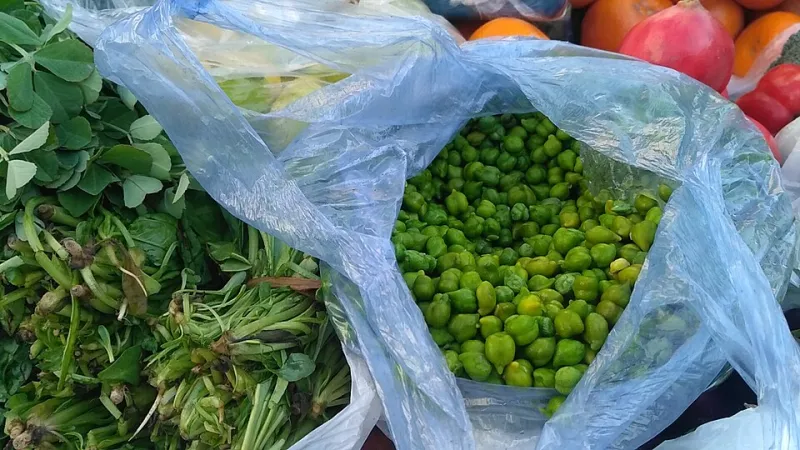
Photo: Jazze7, CC0, via Wikimedia Commons
Preventative health care does not begin in a clinic. For many Humboldt County residents, it begins at a farmers market stall, in a backyard garden, or along the shelves of a local co-op. The foods grown and raised in this region — shaped by its coastal fog, fertile river valleys, and mild temperatures — offer a remarkable range of nutrients that support the body across every stage of life.
At LifeCare Humboldt, we believe that access to good food is a healthcare issue. This guide is designed to help residents understand what is available locally throughout the year, why it matters for their health, and how to make the most of what this extraordinary region produces.
Why Seasonal Eating Matters for Your Health
Before exploring what grows when, it is worth understanding why seasonality itself is relevant to nutrition. Produce harvested at peak ripeness and consumed close to its source retains higher concentrations of vitamins, minerals, and antioxidants than food that has been transported across long distances or stored for extended periods. A tomato picked from a Humboldt farm in late summer and eaten that week is nutritionally distinct from one shipped from a large commercial operation in January.
Seasonal eating also tends to support dietary variety — a factor that research consistently links to better gut microbiome health, reduced inflammation, and a lower risk of chronic disease. When residents rotate their food choices alongside the calendar, they naturally consume a broader spectrum of phytonutrients throughout the year.
Spring: Renewal, Greens, and Gut Health
What's in Season: Arugula, spinach, kale, chard, spring onions, radishes, peas, and early-season strawberries.
Spring in Humboldt brings an abundance of leafy greens that have long been associated with liver support, digestive renewal, and anti-inflammatory benefits. Dark leafy vegetables such as kale and chard are rich in vitamins K, A, and C, as well as folate — a B vitamin essential for cellular repair and particularly important for women of childbearing age.
Radishes, often overlooked, contain compounds called glucosinolates that support detoxification pathways in the liver. Spring onions provide quercetin, a flavonoid with demonstrated antihistamine and anti-inflammatory properties — a timely benefit as allergy season arrives.
Simple Preparation Tip: Lightly sauté spring greens with olive oil and garlic, or incorporate them into a grain bowl with cooked farro or quinoa. Minimal cooking preserves heat-sensitive nutrients such as vitamin C.
Local Resource: Several farms in the Arcata and Eureka areas participate in the Northcoast Growers' Association markets, which operate through the spring and into fall. Connecting with a local Community Supported Agriculture (CSA) box is an efficient way to receive a curated seasonal selection each week.
Summer: Antioxidants, Hydration, and Cardiovascular Support
What's in Season: Tomatoes, zucchini, cucumbers, corn, blueberries, blackberries, green beans, basil, and summer squash.
Humboldt's summers are cooler than those of inland California, which extends the growing window for crops that might otherwise bolt or overheat. This translates to a longer season of high-quality produce for local residents.
Tomatoes are among the most nutritionally significant summer crops. They are an excellent source of lycopene, a carotenoid antioxidant strongly associated with reduced risk of cardiovascular disease and certain cancers, particularly prostate cancer. Lycopene bioavailability actually increases when tomatoes are cooked or combined with a small amount of healthy fat — a good reason to enjoy a slow-simmered tomato sauce with olive oil.
Blueberries and blackberries, both of which thrive in Humboldt's climate, rank among the most antioxidant-dense foods available. Regular consumption has been linked in clinical studies to improvements in memory, blood pressure regulation, and insulin sensitivity.
Simple Preparation Tip: Blend fresh or frozen local berries into a morning smoothie with plain Greek yogurt and ground flaxseed for a breakfast that supports both cognitive function and digestive health.
Farmer Insight: Many Humboldt farms selling at summer markets are happy to discuss their growing practices. Choosing produce from farms that minimize pesticide use or operate organically reduces your exposure to residual agricultural chemicals — a consideration with particular relevance for children and pregnant women.
Fall: Immune Support, Fiber, and Blood Sugar Balance
What's in Season: Winter squash, pumpkins, apples, pears, beets, broccoli, cauliflower, Brussels sprouts, and late-season kale.
As daylight shortens and temperatures drop, Humboldt's harvest shifts toward the dense, starchy, and deeply nutritious crops that support the body through the colder months ahead.
Winter squash varieties — including butternut, delicata, and acorn — are rich in beta-carotene, which the body converts to vitamin A. This nutrient plays a central role in immune function, vision health, and skin integrity. The high fiber content of squash and root vegetables also contributes to blood sugar stabilization, which is relevant for residents managing or seeking to prevent type 2 diabetes.
Cruciferous vegetables such as broccoli, cauliflower, and Brussels sprouts contain sulforaphane, a compound with well-documented anti-inflammatory and potentially anticancer properties. These vegetables are also excellent sources of vitamin C and folate.
Simple Preparation Tip: Roast cubed butternut squash with a drizzle of olive oil, cinnamon, and a pinch of cayenne. Serve alongside a protein source such as baked salmon or white beans for a balanced, anti-inflammatory meal.
Winter: Warming Foods, Vitamin D Awareness, and Immune Resilience
What's in Season: Storage crops (potatoes, sweet potatoes, onions, garlic), citrus (where available through regional distribution), dried legumes, and hardy greens.
Humboldt winters are characterized by significant rainfall and reduced sunlight — conditions that can contribute to vitamin D deficiency, a concern that local healthcare providers frequently encounter. While food sources of vitamin D are limited, fatty fish such as wild-caught salmon (available through local fisheries) and eggs from pasture-raised hens provide meaningful amounts.
Garlic and onions, staples of winter cooking, contain prebiotic fibers that feed beneficial gut bacteria and compounds such as allicin that have demonstrated antimicrobial properties. Incorporating these into soups, stews, and braises is both practical and genuinely health-supportive.
Dried legumes — lentils, black beans, chickpeas — are among the most affordable and nutritionally complete foods available year-round. High in protein, fiber, iron, and magnesium, they form a valuable foundation for winter meals and are accessible to residents across all income levels.
Simple Preparation Tip: A slow-cooked lentil soup with onion, garlic, turmeric, and canned tomatoes costs little, requires minimal preparation, and delivers substantial nutritional value. Turmeric contains curcumin, an anti-inflammatory compound whose absorption is enhanced by the addition of black pepper.
Making Seasonal Eating Accessible
LifeCare Humboldt recognizes that not all residents have equal access to fresh, locally grown food. Food security remains a meaningful challenge in parts of our county. Residents seeking support are encouraged to connect with local resources including the Humboldt County Food Policy Council, the Arcata Food Pantry, and WIC and CalFresh programs, which can help make nutritious food more financially accessible.
Eating well in Humboldt is not a luxury reserved for those with ample resources. With knowledge of what is in season, where to find it, and how to prepare it simply, residents throughout the county can use food as a meaningful tool in their ongoing health — one meal at a time.