Bridging the Distance: Five Practical Strategies for Getting the Healthcare You Need in Rural Humboldt County
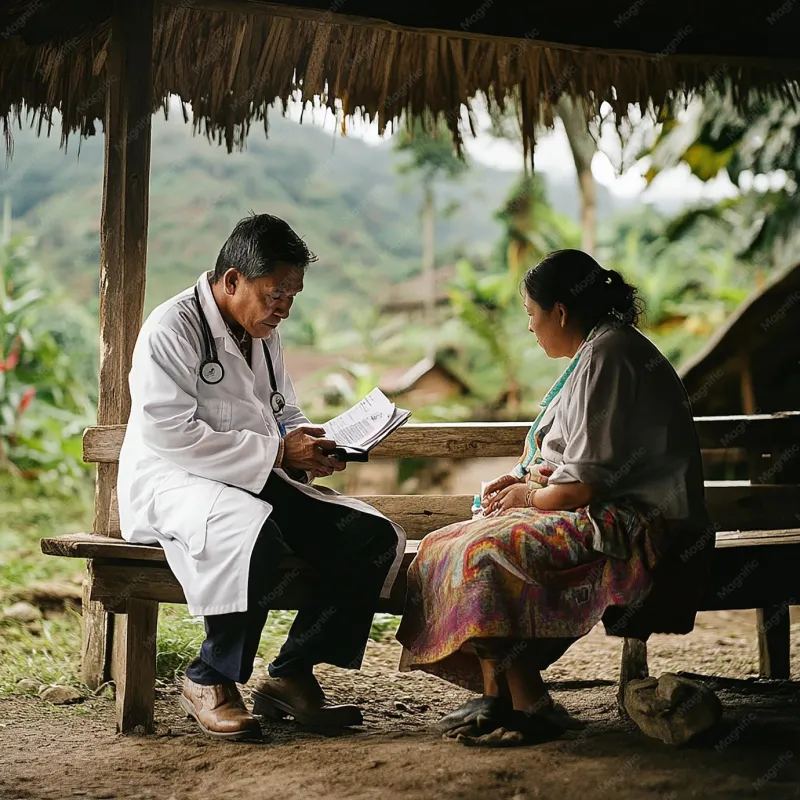
Photo: rural California healthcare clinic patient doctor consultation small town, via img.freepik.com
Access to quality medical care is not a luxury — it is a fundamental component of community health. Yet for a significant portion of Humboldt County's approximately 135,000 residents, the path to that care is marked by genuine obstacles. Long drives to the nearest specialist, primary care offices operating with limited capacity, months-long waits for certain appointments, and insurance gaps that make even routine visits financially prohibitive are not abstract policy concerns here. They are lived experiences.
Humboldt County is classified as a Health Professional Shortage Area by the federal Health Resources and Services Administration — a designation that reflects a documented, systemic deficit in the medical workforce relative to the population's needs. Rural counties throughout Northern California face similar pressures, but Humboldt's combination of geographic remoteness, economic diversity, and a population with complex health needs makes the challenge particularly acute.
At LifeCare Humboldt, our mission is to support healthier communities across the region. Part of that work means being honest about the barriers that exist — and equally clear about the practical options available to residents who are determined to protect their health despite them. The following five strategies represent some of the most effective tools currently accessible to Humboldt County residents.
1. Make Telehealth Your First Line of Contact
The expansion of telehealth services over the past several years has been genuinely transformative for rural communities. Video and phone-based medical consultations, once considered a niche option, are now offered by a wide range of providers — including many who serve Humboldt County — and cover an extensive array of healthcare needs.
Primary care visits, mental health counseling, medication management, chronic disease monitoring, and dermatology consultations are among the services most commonly delivered via telehealth. For residents who face long drives to Eureka or who have limited mobility, telehealth can eliminate the logistical burden that often causes people to delay or forgo care entirely.
Several important points are worth noting. California's telehealth parity laws require most insurance plans — including Medi-Cal — to cover telehealth services at the same rate as in-person visits. Residents without insurance can access low-cost telehealth through platforms such as Community Health Centers' virtual portals or federally qualified health center (FQHC) systems. Before your next non-emergency appointment, ask your provider's office whether the visit can be conducted remotely. In many cases, it can.
2. Establish Care at a Federally Qualified Health Center
Federally Qualified Health Centers are a critical — and frequently underutilized — resource for Humboldt County residents, particularly those who are uninsured, underinsured, or enrolled in Medi-Cal. FQHCs receive federal funding specifically to provide comprehensive primary care services on a sliding-fee scale, meaning that what you pay is determined by your income and household size, not your insurance status.
Open Door Community Health Centers, which operates multiple sites across Humboldt County including locations in Arcata, Eureka, Fortuna, and outlying communities, is the region's primary FQHC network. Services include adult and pediatric primary care, women's health, behavioral health integration, dental care, and pharmacy services — all under one organizational umbrella.
Establishing a relationship with an FQHC provider before a health crisis occurs is strongly advisable. Having an established care team means that when you do need attention, there is already a record of your health history, your medications, and your individual circumstances — all of which improve the quality and efficiency of the care you receive.
3. Prioritize Preventive Care to Reduce Specialist Dependency
One of the most effective long-term strategies for managing healthcare access in a rural environment is reducing the frequency with which specialist care becomes necessary. This is not a suggestion to avoid specialists when they are genuinely needed — it is a recognition that many of the conditions that eventually require specialized intervention develop slowly and are significantly influenced by earlier lifestyle and preventive health decisions.
Routine screenings, vaccinations, blood pressure and blood glucose monitoring, and annual wellness visits are the foundational tools of preventive care. These services are available through FQHCs, local clinics, and in some cases through community health events and mobile health units that periodically serve more remote areas of Humboldt County.
Residents managing chronic conditions such as hypertension, type 2 diabetes, or asthma can often maintain stability and reduce emergency care needs through consistent primary care engagement, appropriate medication adherence, and lifestyle modifications — all of which are more accessible locally than the specialist referrals that poorly managed chronic disease frequently generates.
LifeCare Humboldt encourages residents to view preventive care not as optional maintenance but as a proactive investment in reducing future healthcare burdens — both personal and systemic.
4. Learn to Navigate the Referral and Transportation Systems
When specialist care is necessary — and there are certainly circumstances in which it is — Humboldt County residents benefit from understanding the referral and transportation resources available to them. The distance to specialty care in Sacramento, the Bay Area, or even Redding can feel insurmountable without support, but several programs exist specifically to address this barrier.
Medi-Cal members may be eligible for Non-Emergency Medical Transportation (NEMT) benefits, which cover transportation to and from medical appointments that cannot reasonably be accessed by other means. Contacting your Medi-Cal managed care plan to understand your NEMT eligibility and the process for requesting rides is a worthwhile early step for any resident who relies on public assistance for health coverage.
Additionally, patient navigators — staff members at FQHCs and some hospital systems whose role is specifically to help patients coordinate care — can be invaluable when managing complex referral processes. If you are facing a new diagnosis or a referral to an out-of-area specialist, ask your primary care provider whether a patient navigator is available to assist you.
The Humboldt Transit Authority also provides regional public transit options that, while limited in rural areas, can support access for residents living in or near population centers.
5. Know Your Rights and Explore Financial Assistance Options
Healthcare costs deter many Humboldt County residents from seeking care they need and are legally entitled to receive. Understanding the financial assistance landscape can meaningfully change this equation.
California's Medi-Cal program covers adults with incomes up to 138 percent of the federal poverty level at no cost, and Covered California offers subsidized plans for those who earn above that threshold. Enrollment assistance is available through Covered California's certified enrollment counselors, many of whom operate within Humboldt County's community health infrastructure.
Hospitals and health systems are required by California law to offer charity care programs and financial assistance to patients who qualify. St. Joseph Hospital in Eureka, for example, maintains a financial assistance policy that can substantially reduce or eliminate costs for eligible patients. Do not assume that a bill is final — ask about financial assistance options before or after any significant medical encounter.
For prescription costs, programs such as GoodRx, NeedyMeds, and pharmaceutical manufacturer patient assistance programs can reduce medication expenses significantly for uninsured or underinsured residents.
Moving Forward Together
The healthcare access challenges facing Humboldt County are real, and they will not be resolved overnight. Systemic change — more providers, expanded infrastructure, sustained investment in rural health — is a long-term project that requires advocacy, policy attention, and community commitment. LifeCare Humboldt is dedicated to contributing to that effort.
In the meantime, the strategies outlined above represent meaningful, actionable steps that individual residents can take today. Navigating a limited healthcare system is more manageable when you know what resources exist and how to access them.
For a comprehensive directory of local health resources, telehealth providers, and financial assistance programs serving Humboldt County, visit lifecarehumboldt.org. Our resource guides are updated regularly to reflect current availability and eligibility requirements.