Where the Water Heals: Humboldt's Rivers, Coast, and the Growing Science of Blue Space Recovery
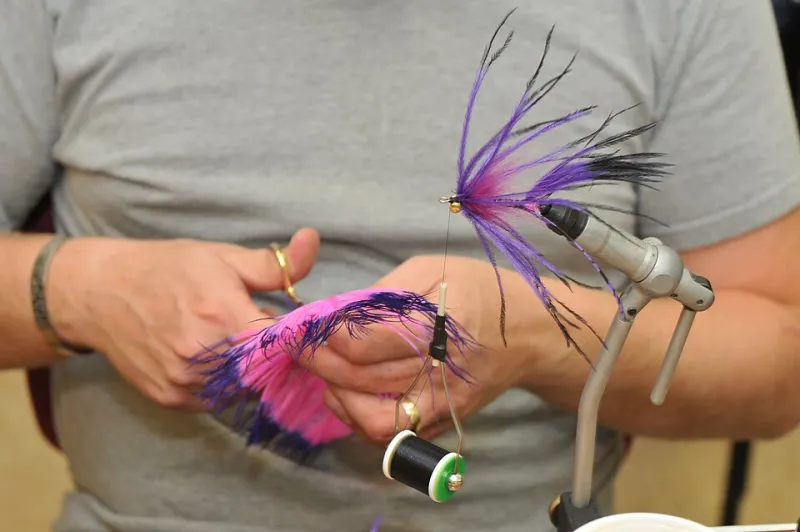
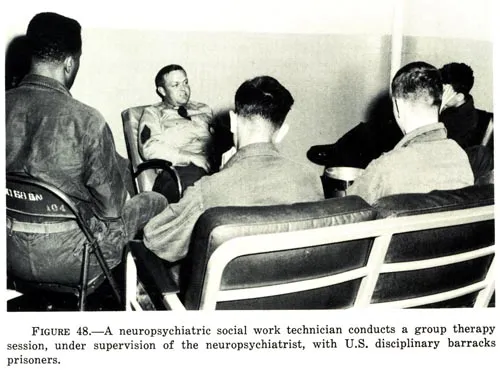
Photo: Sgt. Mark Cloutier, Public domain, via Wikimedia Commons
Stand at the edge of the Mad River on a clear morning, rod in hand or simply watching the current work its way around a gravel bar, and something shifts. The mental chatter that follows most people through their days quiets. Breath slows. The body, which spends most of its time bracing against the next obligation, begins to release.
This is not poetry. Increasingly, it is physiology.
A growing body of scientific literature has begun to formalize what Humboldt County residents have experienced informally for generations: proximity to natural water environments — rivers, coastline, estuaries, tidal flats — produces measurable changes in stress hormone levels, cardiovascular function, mood, and cognitive performance. Researchers have given this phenomenon a name: blue space therapy. And Humboldt County, with its 110 miles of Pacific coastline, its network of wild rivers, and its abundance of accessible public waterways, sits at the center of one of the most naturally equipped blue space environments in the American West.
What the Science Actually Says
The concept of blue space as a health resource gained significant traction following a landmark 2013 study by researchers at the European Centre for Environment and Human Health, which found that individuals living near coastal environments reported consistently higher levels of wellbeing than those living inland — even after controlling for income, physical activity, and social factors.
Subsequent research has expanded and refined these findings. A 2019 study published in Scientific Reports analyzed data from nearly 26,000 respondents and found that recreational visits to coastal and freshwater environments were associated with significantly higher self-reported wellbeing, with effects strongest among individuals who reported lower baseline mental health. Put plainly: those who needed it most appeared to benefit most.
The physiological mechanisms under investigation include reductions in cortisol and adrenaline, activation of the parasympathetic nervous system (the body's rest-and-repair mode), lowered resting heart rate, and improved sleep quality following water-adjacent activity. The rhythmic sensory input provided by moving water — sound, visual motion, ambient humidity — appears to engage the brain's default mode network in ways that counteract the hyperarousal patterns associated with anxiety and chronic stress.
For Humboldt County residents managing depression, PTSD, anxiety disorders, or the cumulative stress of rural economic pressures, these findings carry practical relevance.
Fishing as Therapeutic Practice
Fishing is often dismissed in wellness conversations as mere hobby or recreation. That framing understates what the activity actually demands of the nervous system — and what it returns.
The act of fishing requires sustained, low-intensity attention. The angler must read water, manage equipment, respond to subtle environmental cues, and maintain patience across extended time periods. This attentional profile closely resembles what mindfulness researchers describe as "open monitoring" — a state of relaxed, non-judgmental awareness associated with reduced rumination and improved emotional regulation.
Veterans' organizations, including programs affiliated with Project Healing Waters Fly Fishing, have documented significant improvements in PTSD symptom severity among participants who engage in structured fly fishing programs. Several such programs operate in Northern California, and Humboldt's rivers — the Trinity, the Eel, the Klamath, the Mad — offer world-class habitat for both the fish and the healing.
Local fishing guide services operating out of Eureka and Trinidad frequently report that clients arrive with more than recreational goals. Conversations on the water, practitioners note, often touch on grief, isolation, and recovery in ways that feel natural rather than clinical. The river, it seems, creates permission.
For residents interested in exploring fishing as a therapeutic adjunct, the California Department of Fish and Wildlife offers reduced-cost fishing licenses for low-income residents, and several local bait-and-tackle shops along Humboldt Bay provide guidance for beginners at no charge.
Kayaking, Paddling, and Cardiovascular Renewal
Water-based physical activity carries well-documented cardiovascular and musculoskeletal benefits, and Humboldt's geography makes these benefits unusually accessible. Humboldt Bay — one of the largest coastal bays in California — offers protected, relatively calm water suitable for kayakers of varying skill levels. The lower reaches of the Eel and the Mad rivers provide additional paddling environments with distinct ecological character.
Kayaking and stand-up paddleboarding engage the upper body, core, and stabilizing musculature in ways that complement land-based exercise routines. A 60-minute moderate-intensity paddle session can burn between 280 and 400 calories while simultaneously delivering the cognitive and emotional benefits of blue space exposure — making it one of the more efficient wellness investments available to Humboldt residents.
Humboldt Bay Paddle, along with several seasonal outfitters operating near the bay and local rivers, offers guided tours and equipment rentals that reduce the barrier to entry for residents who lack their own gear. For those with mobility considerations, adaptive kayaking programs — which use specialized seating and paddle configurations — have expanded access significantly in recent years.
Riverside Recreation and the Everyday Blue Space Opportunity
Not every therapeutic encounter with water requires a fishing license or a kayak. Research on blue space therapy consistently finds benefit from passive engagement — sitting near water, walking along riverbanks, or simply spending time in view of a natural water body.
Humboldt County's network of public parks, wildlife areas, and accessible riverbanks means that this form of low-threshold wellness practice is available to virtually every resident, regardless of income, physical ability, or prior outdoor experience. The Avenue of the Giants corridor, the Arcata Marsh and Wildlife Sanctuary, the Hammond Trail along the Pacific coast, and dozens of informal river access points throughout the county offer free, year-round opportunities for blue space engagement.
Mental health professionals practicing in Humboldt County have begun incorporating "nature prescriptions" into their clinical recommendations — structured encouragement for clients to spend defined periods near local water environments as a complement to traditional therapeutic modalities. This practice, sometimes called ecotherapy or nature-based therapy, is gaining mainstream clinical acceptance and aligns well with Humboldt's existing environmental assets.
Practical Guidance for Residents
If you are considering incorporating blue space activities into your personal wellness routine, the following steps offer a structured starting point:
Begin with accessibility. Identify the nearest public waterway to your home — whether a river, creek, bay access point, or coastal trail. Commit to visiting it once per week for a month, spending at least 30 minutes each visit without a defined agenda.
Pair water time with light physical activity. Walking, gentle stretching, or slow paddling amplifies the cardiovascular and mood benefits of blue space exposure. Even low-intensity movement near water produces measurable physiological change.
Consider community-based water activities. Group fishing trips, guided kayak tours, or organized shoreline cleanups combine the benefits of blue space exposure with social connection — itself a powerful protective factor for mental health.
Talk to your provider. If you are managing a diagnosed mental health condition or recovering from a physical health event, discuss water-based activity with your care team before beginning. In many cases, it can serve as a meaningful complement to existing treatment.
Humboldt's Water Is a Healthcare Resource
The rivers and coastline of Humboldt County have sustained communities here for thousands of years — ecologically, economically, and culturally. The emerging science of blue space therapy adds another dimension to that relationship: a healthcare one.
At LifeCare Humboldt, we believe that wellness resources should be understood broadly. Not every effective health intervention comes in the form of a prescription or a clinical appointment. Sometimes it arrives as the sound of the Trinity River over smooth stone, or the Pacific fog rolling in across the bay at dusk.
Humboldt's water is here. It is accessible. And for many residents, it may be one of the most powerful wellness tools they have never formally considered.