Harvesting Health: Why Humboldt County's Farms Are One of Our Greatest Public Health Assets
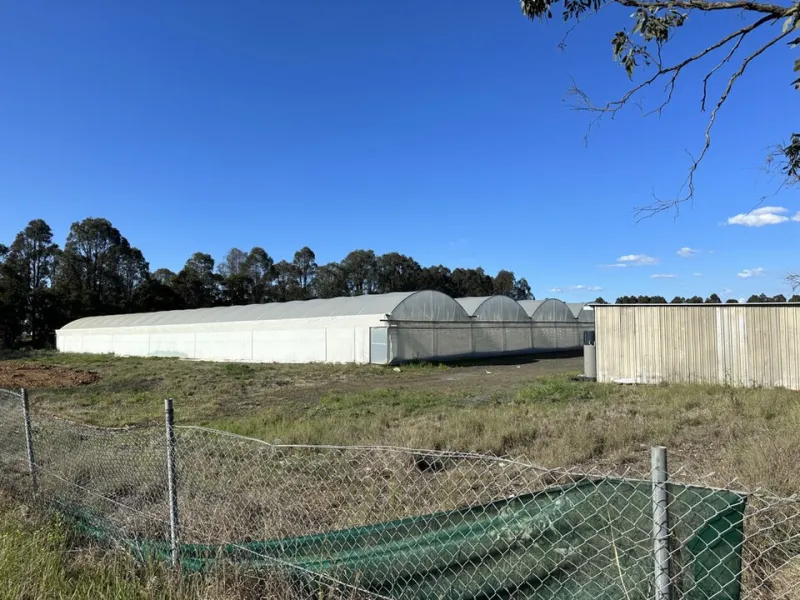
Photo: Chris.sherlock2, CC BY-SA 4.0, via Wikimedia Commons
Humboldt County is not typically the first place that comes to mind when national conversations turn to agriculture. Yet nestled between the Pacific coastline and the interior mountain ranges, this region sustains a remarkably diverse network of small farms, ranches, community gardens, and food cooperatives. For residents navigating limited access to specialty healthcare and rising costs of living, that agricultural network represents something profound: a community-driven infrastructure for preventative health.
At LifeCare Humboldt, we believe that health is shaped by far more than what happens inside a clinic. Where food comes from, who grows it, and how communities access it are questions with direct medical consequences—and in Humboldt County, the answers are increasingly encouraging.
The Link Between Local Food and Preventative Care
Decades of public health research have established that diet quality is among the strongest predictors of chronic disease risk. Conditions including type 2 diabetes, cardiovascular disease, hypertension, and certain cancers are all closely tied to long-term nutritional patterns. When communities have reliable access to fresh, minimally processed food, population-level health outcomes improve measurably.
In rural counties like Humboldt, however, geographic isolation can make that access uneven. Residents in outlying communities such as Hoopa, Willow Creek, or the Lost Coast corridor may travel significant distances to reach a full-service grocery store. This is precisely where regional agriculture becomes a healthcare issue, not merely an economic or cultural one.
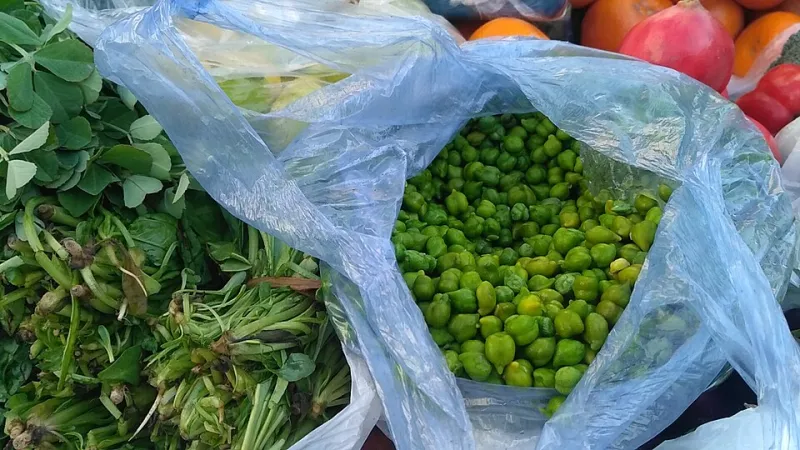
Direct-to-consumer models—farmers' markets, community-supported agriculture (CSA) subscriptions, and farm stands—compress the distance between grower and household. When a family in Fortuna picks up a weekly CSA box from a local producer, they are not simply purchasing vegetables. They are participating in a supply chain designed around freshness and nutritional density rather than shelf stability and long-haul transport.
Food Sovereignty as a Health Framework
The concept of food sovereignty—the right of communities to define their own food systems rather than depending on externally controlled supply chains—has gained significant traction in public health policy circles over the past two decades. For Humboldt County, it carries particular resonance.
Indigenous communities within the county, including the Yurok, Karuk, and Wailaki peoples, have long maintained relationships with the land that integrate food production with cultural identity and physical wellbeing. Traditional practices such as salmon harvesting, acorn gathering, and the cultivation of heritage crops are not relics of the past; they are living systems of knowledge that carry measurable health implications. Research on traditional Indigenous diets consistently associates them with lower rates of metabolic disease and stronger community health indicators.
Contemporary food sovereignty initiatives in Humboldt County build on this foundation. Tribal food programs, seed-saving collectives, and land-access projects for beginning farmers all represent investments in the community's long-term capacity to feed itself—and, by extension, to protect its own health.
Small Farms, Large Impact
Humboldt County's agricultural sector is characterized by scale: most operations here are small by national standards. That characteristic, often perceived as an economic limitation, turns out to carry distinct advantages from a public health standpoint.
Small-scale producers typically employ more diverse cropping systems, reducing reliance on synthetic inputs and preserving soil health over time. Healthy soil produces food with richer micronutrient profiles. Additionally, smaller operations tend to maintain stronger relationships with their customers, creating opportunities for informal nutrition education that larger retailers rarely provide.
Farmers' markets in Eureka, Arcata, and McKinleyville serve as more than commercial venues. They function as community gathering spaces where residents interact with growers, learn preparation techniques for unfamiliar vegetables, and develop a clearer understanding of seasonal eating. Public health educators have increasingly recognized these spaces as platforms for outreach—venues where conversations about nutrition, food safety, and healthy cooking can happen organically.
Agricultural Workers and Health Equity
Any honest discussion of farming and community health must also address the wellbeing of those who work the land. Agricultural laborers in Humboldt County, many of whom are immigrants or members of low-income households, face occupational health risks including pesticide exposure, musculoskeletal injuries, and limited access to employer-provided healthcare coverage.
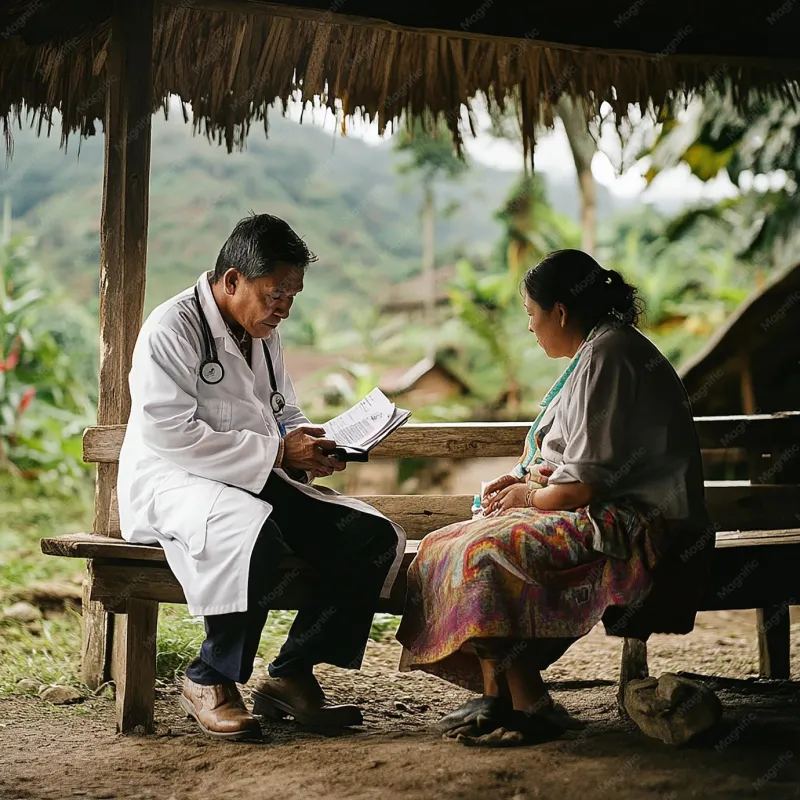
Supporting regional agriculture as a public health strategy must therefore include advocating for the health and safety of the workers who sustain it. Community health clinics, mobile health units, and culturally competent outreach programs that serve farmworker populations are essential components of a truly equitable local food system.
Organizations working at this intersection—connecting agricultural workers to primary care, mental health services, and health education—are doing some of the most consequential preventative health work in the county.
Food Education as Preventative Medicine
Knowledge is a critical variable in the relationship between food access and health outcomes. A household with access to fresh produce but limited culinary skills or nutritional understanding may not realize the full health benefit of that access. This is why food education programs—whether school-based garden curricula, community cooking classes, or extension service workshops—function as legitimate preventative health interventions.
Several Humboldt County schools have integrated garden-based learning into their programming, giving students hands-on experience with growing food and preparing it. Research on such programs consistently demonstrates improvements not only in dietary behavior but also in academic engagement and social-emotional development. Teaching a child to grow and cook a meal is, in measurable terms, an investment in their future health.
Supporting Local Agriculture Is a Health Decision
For residents of Humboldt County, choosing to purchase from local farmers, participate in a CSA, or support policies that protect agricultural land is not merely a lifestyle preference. It is a contribution to the community's collective health infrastructure.
At LifeCare Humboldt, we encourage residents to explore the resources available through local food networks, community gardens, and agricultural education programs. We also urge policymakers and healthcare organizations to recognize regional food systems as legitimate components of preventative healthcare strategy—worthy of the same investment and attention as clinical services.
The soil of Humboldt County has sustained communities here for generations. With thoughtful support and genuine recognition of its public health value, it can continue to do so for generations to come.