Stocked for the Long Drive: Fifteen Essentials Every Rural Humboldt Household Should Keep on Hand
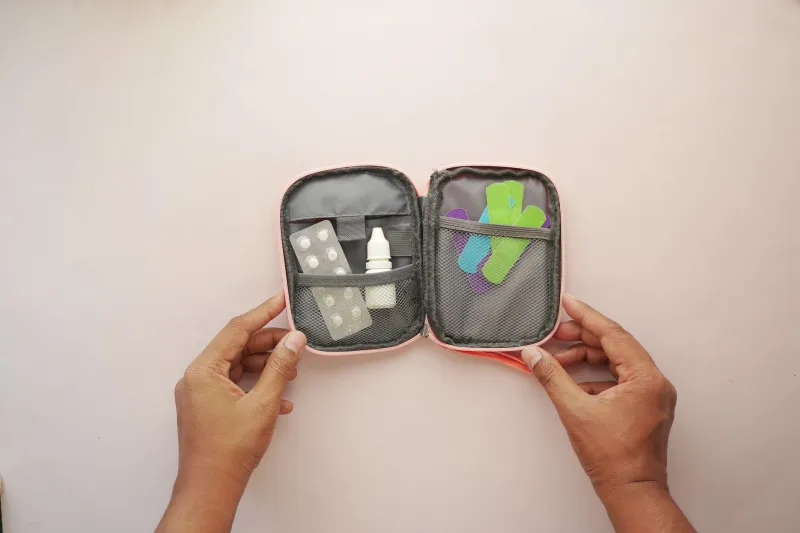
In much of Humboldt County, a prescription refill or a box of bandages is not a five-minute errand. It is a planned trip — sometimes an hour each way, sometimes longer in winter conditions. That reality changes the math of household preparedness. A well-stocked medicine cabinet is not hoarding or anxiety; it is a reasonable response to geography.
Below are fifteen items that rural health educators consistently recommend, followed by guidance on storage, rotation, and — just as importantly — knowing when the cabinet has done its job and it is time to seek professional care.
The Fifteen Essentials
1. Digital thermometer. Fever is one of the most useful vital signs a family can track at home. Choose a digital model with disposable probe covers, and keep spare batteries with it.
2. Oral rehydration solution (or the ingredients to make it). Vomiting and diarrheal illness dehydrate quickly, especially in children and older adults. Commercial packets are inexpensive and shelf-stable; a homemade version of water, salt, and sugar works in a pinch.
3. Acetaminophen. Handles fever and pain, gentle on the stomach, safe for most ages when dosed correctly. Keep both adult and children's formulations if your household includes kids.
4. Ibuprofen. Reduces inflammation as well as pain and fever. Useful for sprains, back strain, and dental discomfort. Take with food.
5. Diphenhydramine or another antihistamine. For allergic reactions, hives, and itching. In a county full of bees, poison oak, and pollen, this earns its place.
6. Sterile gauze pads and rolled gauze. Chain saws, kitchen knives, and uneven ground all make their contributions. Buy a variety of sizes.
7. Adhesive bandages in multiple sizes. Un glamorous, constantly needed.
8. Medical tape and a elastic wrap. For securing dressings and providing light support to a strained ankle until it can be evaluated.
9. Antiseptic solution or wipes. Wound cleaning is the single most effective step in preventing infection — more important than any ointment.
10. Antibiotic ointment. A thin layer on minor wounds after cleaning reduces infection risk in the crucial first days.
11. Hydrocortisone cream. Poison oak is practically a countywide rite of passage. This takes the edge off the itch.
12. Tweezers, small scissors, and a tick remover. Fine-pointed tweezers matter for splinters and tick removal; grasp ticks close to the skin and pull steadily.
13. An instant cold pack and a heating pad. Cold for fresh injuries and swelling, heat for chronic stiffness and muscle aches.
14. Saline rinse or nasal spray. Wildfire smoke, seasonal allergies, and winter dryness all irritate nasal passages. Simple saline is safe for nearly everyone.
15. A written list of emergency contacts and household medication records. In a power outage or when a babysitter is managing things, paper outperforms memory.
Storage: Cool, Dry, Dark, and Locked
Bathrooms are actually poor storage locations — humidity and heat accelerate degradation. A hallway closet or kitchen cabinet away from the stove is better. Keep everything in original containers with labels intact, stored high or locked away from children. If anyone in the home takes prescription medications, treat those separately from the general supply and never share them.
The Twice-a-Year Expiration Sweep
Pick two memorable dates each year — the daylight saving time changes work well — and check every item. Discard anything expired, discolored, or crumbly. Medications lose potency over time; some, like liquid antibiotics, degrade quickly. Check your first aid supplies too: adhesive loses stickiness, and sterile packaging can fail. Then restock what you used up. A written inventory taped inside the cabinet door makes this a ten-minute task instead of an afternoon.
If disposal is needed, many pharmacies take back unused medications, and take-back events occur periodically around the county. Flushing medication is generally discouraged except where instructions specifically direct it.
When the Cabinet Is Enough — and When It Is Not
A stocked cabinet buys time; it does not replace judgment. Home care is appropriate for minor cuts that stop bleeding with pressure, low fevers in otherwise well children, mild allergic itching, and ordinary aches.
Make the drive — or call first — for:
- Difficulty breathing, chest pain, or signs of stroke
- Uncontrolled bleeding or a deep wound
- Fever in an infant under three months
- Signs of severe dehydration
- Any allergic reaction involving swelling of the face, lips, or throat (use epinephrine if prescribed, then call 911)
- A wound that may need stitches, or any animal or human bite
- Symptoms that worsen after two to three days of home care
Keep your clinic's nurse line posted with the emergency contacts. A five-minute phone call can often tell you whether the cabinet will do or the car needs gas.
Preparedness in rural Humboldt is not pessimism — it is a form of self-reliance that complements, rather than replaces, the professional care our communities work hard to provide. Stock it, rotate it, and let it do its quiet work between visits.