From Fog to Fork: A Beginner's Guide to Growing Healing Foods Through Humboldt's Cold Season
When the rain settles in and the fog rolls off the bay, most people assume the growing season is over. In Humboldt County, nothing could be further from the truth. Our coastal climate — mild winters, frequent moisture, and soil that rarely freezes solid — creates one of the most forgiving winter growing environments in the United States. For residents looking to support their health through the damp season, a first winter garden can be one of the most accessible, affordable forms of preventive self-care available.
Why Winter Gardening Is a Health Strategy, Not Just a Hobby
Cold-season vegetables and herbs harvested at peak freshness retain more vitamin C and folate than produce that has traveled days to reach a shelf. Kale, chard, and collard greens — all of which thrive in Humboldt's winters — are among the most nutrient-dense foods per calorie that nutrition researchers have measured. Fresh rosemary, thyme, and sage contain compounds studied for their anti-inflammatory and antimicrobial properties.
There is also the mental health dimension. Studies on horticultural therapy consistently link regular gardening with reduced symptoms of anxiety and depression, and the benefit does not disappear in winter. In a county where overcast days dominate from November through March, having a reason to step outside, move your body, and tend something living can be a meaningful complement to other wellness practices.
What Grows Well Here: A Beginner's Shortlist
Humboldt's fog belt favors hardy, cool-weather crops. If you are starting your first winter garden, begin with these reliable performers:
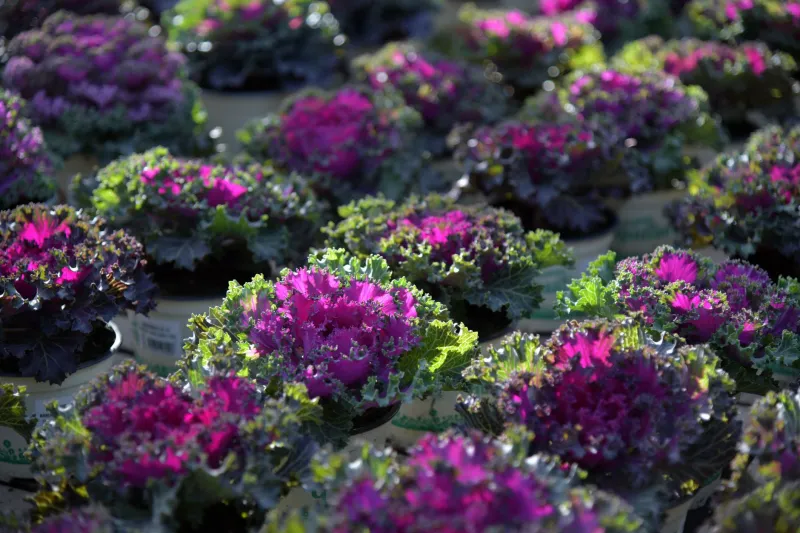
- Kale and collard greens — Virtually indestructible in coastal winters; harvest leaves continuously from a single plant for months.
- Chard — Tolerates both wet soil and cool temperatures, and regrows after cutting.
- Garlic and shallots — Planted in autumn, they overwinter quietly and reward you in early summer.
- Rosemary, thyme, sage, and oregano — Perennial herbs that shrug off frost and provide fresh flavor and traditional medicinal value all winter.
- Parsley and cilantro — Fast-growing annuals that often self-seed in coastal climates.
- Fava beans — A Humboldt classic; they enrich your soil with nitrogen while producing protein-rich food.
Avoid heat-loving crops like tomatoes and peppers until late spring. Winter gardening is about working with the season, not against it.
A Month-by-Month Planting Calendar for the Fog Belt
October — Plant garlic, shallots, fava beans, and transplants of kale, chard, and collards. Sow cover crops in unused beds.
November — Finish transplanting hardy greens. Mulch heavily with straw or leaves to protect soil structure from heavy rains. Sow a final round of cilantro and parsley.
December — Growth slows, but harvest continues. Trim herbs, harvest outer kale leaves, and use the quieter month to plan and build beds for spring.
January — The traditional window for ordering seeds. Sow the first onion and leek starts indoors or under cover. On mild days, direct-sow peas in well-drained beds.
February — A second planting window: more kale, chard, and salad greens. Begin hardening off indoor starts on fog-free afternoons.
March — Transplant brassicas, sow beets and carrots, and divide established perennial herbs. Your winter garden transitions into spring production.
Getting Started for Free or Nearly Free
One of Humboldt's greatest assets is its network of community-based growing resources, and cost should never be a barrier:
- Seed libraries — Several branches of the Humboldt County Library system and local community organizations maintain seed exchanges where residents can borrow seeds at no cost, grow them, and return saved seed at season's end. It is a quiet, elegant model of shared local resilience.
- Community gardens — Eureka, Arcata, McKinleyville, and Fortuna all host community garden plots with nominal annual fees, shared tools, and — just as valuable — experienced neighbors who know exactly what grows well in your specific microclimate.
- Extension resources — The UC Master Gardener program offers free, research-backed advice tailored to Humboldt's coastal conditions, including workshops and help desks for new growers.
- Local plant sales and swaps — Community swaps in late winter are an inexpensive way to acquire starts and connect with fellow gardeners.
Growing Food, Growing Connection
A first winter garden rarely produces a dramatic harvest, and that is not the point. What it produces is a habit: a daily walk to the garden bed, a handful of fresh greens on a gray morning, a conversation with a neighbor at the seed library. In a rural county where distance can complicate access to fresh food and healthcare alike, the ability to grow even a portion of your own nourishment is a form of practical health independence.
Start small — one raised bed, a few containers, a pot of thyme by the door. The fog will do most of the watering. You supply the rest.