Rain as Medicine: The Surprising Ways Humboldt County's Wet Climate Protects Your Long-Term Health
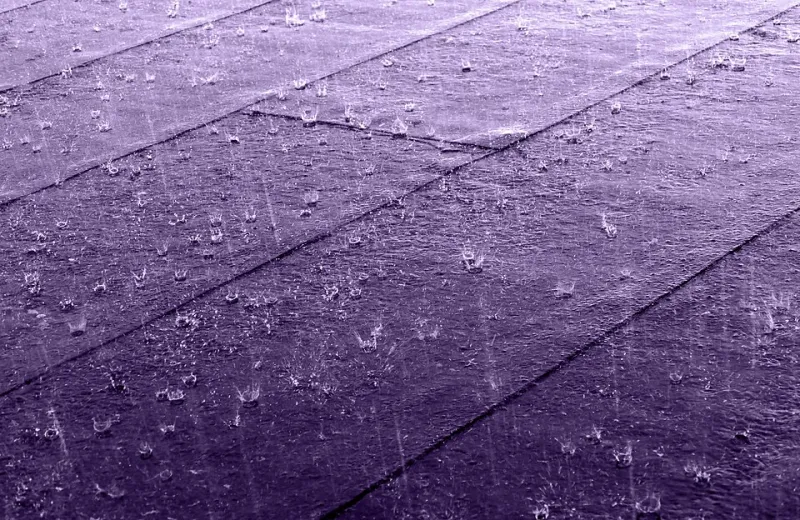
Photo: W.carter, CC0, via Wikimedia Commons
For many Humboldt County residents, the gray skies and relentless drizzle of a North Coast winter are simply part of life—something to be endured between glimpses of sun. What rarely enters the conversation is the possibility that all that rain, all that moisture hanging in the coastal air, may be doing something quietly remarkable for the community's health. A growing body of research suggests that precipitation-rich environments carry a distinct set of physiological and psychological advantages, and Humboldt's particular climate positions its residents to benefit from nearly all of them.
Understanding those benefits requires setting aside the assumption that dry and sunny automatically means healthier. In many measurable ways, it does not.
What Rain Does to the Air You Breathe
One of the most direct health contributions of Humboldt's rainfall is what it does to airborne particulate matter. Rain functions as a natural scrubbing mechanism for the atmosphere. When precipitation falls, it captures dust, pollen, mold spores, and fine particulate pollution, pulling them out of the air column and depositing them on the ground. In practical terms, the air following a rainstorm is measurably cleaner than the air that preceded it.
For residents with asthma, chronic obstructive pulmonary disease, or other respiratory sensitivities, this matters considerably. Studies examining air quality data across U.S. regions have consistently found that areas with higher annual precipitation tend to record lower concentrations of PM2.5—the fine particulate matter most closely associated with respiratory and cardiovascular disease. Humboldt's average annual rainfall, which ranges from roughly 40 inches in Eureka to more than 100 inches in parts of the interior, keeps that scrubbing effect operating for much of the year.
Higher ambient humidity also plays a role in airway health that is frequently misunderstood. The mucous membranes lining the nasal passages and bronchial airways function as the body's first line of defense against inhaled pathogens. When those membranes dry out—a common consequence of low-humidity environments and forced-air heating—their ability to trap and neutralize bacteria and viruses is significantly diminished. Humboldt's coastal humidity helps maintain the moisture those membranes need to perform their protective function, particularly during the respiratory virus season that runs from late fall through early spring.
Skin, Hydration, and the Invisible Barrier
The skin is the body's largest organ and its most immediate interface with the external environment. Chronic low humidity—the kind experienced in desert climates and heavily air-conditioned interiors—accelerates transepidermal water loss, the process by which moisture evaporates through the skin's outer layers. Over time, this contributes to compromised barrier function, increased susceptibility to irritants and allergens, and a heightened inflammatory response in conditions such as eczema and psoriasis.
Humboldt's persistently moist air reduces that evaporative pressure. Residents are less likely to experience the baseline skin dryness that, in drier regions, becomes a chronic low-grade stressor on the immune system. This is not a minor consideration. Skin barrier dysfunction has been linked in recent research to systemic inflammatory conditions, and anything that supports barrier integrity may carry downstream benefits for overall immune regulation.
Precipitation, Pollen, and Allergic Disease
The relationship between rainfall and pollen is more nuanced than many people assume. While rain does temporarily suppress airborne pollen counts by weighing pollen grains down and washing them from the air, the more significant effect in Humboldt's context is ecological. The region's climate supports vegetation communities—dense coniferous forests, coastal scrub, and riparian zones—that differ substantially from the high-pollen grasslands and agricultural fields that dominate drier interior regions of California.
Residents who have relocated to Humboldt from the Central Valley or Southern California frequently report meaningful reductions in seasonal allergy symptoms, a pattern that aligns with what we know about regional pollen profiles. While Humboldt is not pollen-free, the composition and concentration of airborne allergens here differs from that of drier climates in ways that appear to benefit a significant portion of allergy sufferers.
The Mental Health Dimension: Reframing Gray Skies
Any honest accounting of Humboldt's climate must acknowledge the psychological challenges that accompany limited winter sunlight. Seasonal affective patterns are real and well-documented, and the region's residents are not exempt from them. However, the framing of rain itself as inherently depressive deserves scrutiny.
Research on the psychological effects of rain is more varied than popular culture suggests. For individuals who do not experience clinical seasonal depression, rainfall has been associated with increased reflective thinking, reduced impulsive behavior, and a tendency toward the kind of quiet, inward-focused activity—reading, cooking, creative work—that supports psychological restoration. There is also emerging work on what researchers call "weather-related social bonding," the tendency of shared environmental conditions to create common ground and facilitate community connection.
In a county where community cohesion is both a cultural value and a documented public health asset, the social dimensions of shared weather experience are worth taking seriously. Gathering around a wood stove, sharing a meal when the roads are wet, checking in on neighbors during a storm—these behaviors, prompted by the climate, strengthen the social fabric that underlies mental and physical resilience.
Practical Strategies for Maximizing the Benefits
Recognizing these advantages does not mean passively waiting for the rain to do its work. There are concrete steps Humboldt residents can take to amplify the health returns of their environment.
Stay physically active outdoors year-round. Rain-aversion leads many residents to reduce outdoor movement during the wet season, forfeiting the immune-boosting, mood-regulating, and cardiovascular benefits of regular physical activity. Investing in quality rain gear—waterproof layers, trail shoes with adequate grip—removes the primary barrier to outdoor exercise in wet conditions.
Monitor indoor humidity levels. The goal is not simply to maximize humidity but to maintain it within a healthy range. Indoor humidity between 40 and 60 percent supports respiratory and skin health without promoting mold growth. A basic hygrometer, available at most hardware stores, allows residents to monitor conditions and adjust ventilation accordingly.
Prioritize light exposure during clear intervals. Vitamin D synthesis requires ultraviolet B radiation, which is reduced during overcast conditions. When skies clear, even briefly, deliberate time outdoors without sunscreen for 15 to 20 minutes can meaningfully support vitamin D levels. Residents with documented deficiency should discuss supplementation with their primary care provider.
Support local food systems that benefit from rainfall. Humboldt's agricultural abundance—its pasture-raised livestock, its small-scale vegetable farms, its wild-harvested coastal and forest foods—is directly dependent on the region's precipitation. Accessing those foods through farmers markets, community-supported agriculture programs, and local grocers translates the climate's agricultural benefits into direct nutritional advantage.
Seek care proactively during the wet season. The damp months bring their own health considerations, including increased mold exposure in older housing stock and elevated risk of falls on wet surfaces. Connecting with a primary care provider through LifeCare Humboldt's community health resources before problems develop is always preferable to reactive care.
A Different Way of Seeing Home
Humboldt County's climate will never be universally loved. The months of overcast skies, the mud, the mildew, the way the cold settles into poorly insulated homes—these are genuine challenges that deserve practical solutions. But the health narrative around rain and humidity has for too long been dominated by the negative, while the affirmative evidence has gone largely unacknowledged.
The data, taken together, describes a place where the air is regularly cleansed, where airways stay moist and functional, where skin retains its barrier integrity, and where the pace of wet-season life creates natural opportunities for rest and connection. That is not a burden. Viewed clearly, it is an asset—one that Humboldt County residents are well positioned to claim.