Forty-Five Minutes From Help: A Family's Guide to Emergency Care in Humboldt's Remote Corridors
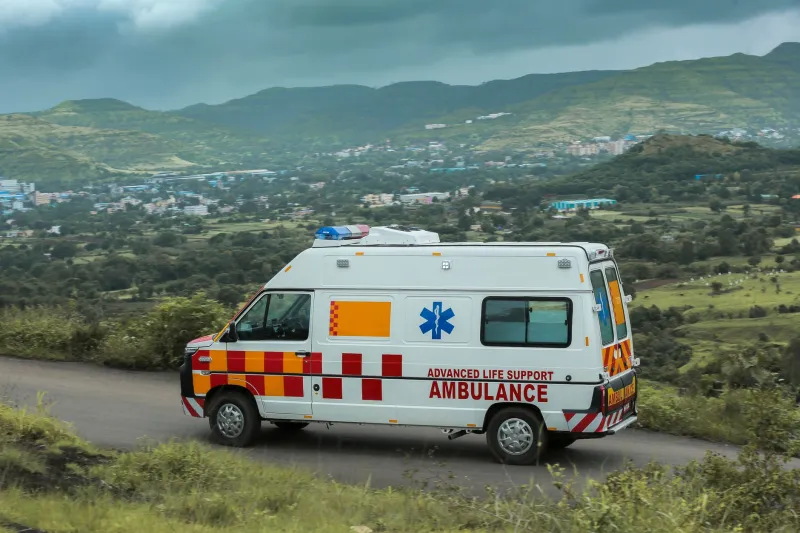
On a rain-slicked stretch of Highway 299 east of Blue Lake, a call comes in just after dawn. A hiker has fallen on a trailhead spur, and the closest ambulance is fifteen minutes out. The nearest hospital, still another thirty-five minutes beyond that. For residents of Eureka or Arcata, those numbers sound abstract. For the people who live along Humboldt County's remote corridors, they are simply the math of daily life.
Understanding that math — and knowing what to do inside it — may be one of the most valuable health skills a Humboldt family can develop.
The Reality of Distance
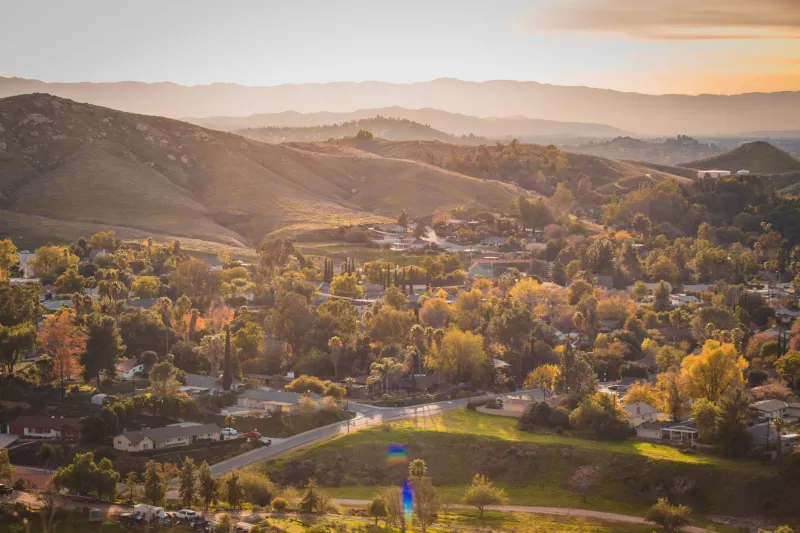
Humboldt County covers roughly 3,500 square miles, much of it mountainous, forested, and sparsely populated. Emergency medical services here operate under conditions most urban systems never encounter: winding two-lane highways, cell dead zones, seasonal landslides, and weather that can close a route without warning. Average response times in the county's outlying communities can stretch well beyond what a person experiencing a stroke or severe bleeding can safely wait.
The region's answer is a layered network. Paid paramedic crews anchor the population centers. Volunteer first responders, many of them neighbors with day jobs, cover outlying communities such as Garberville, Willow Creek, and the Mattole Valley. When minutes matter most, air ambulance crews can shorten a forty-five-minute drive into a twelve-minute flight — weather permitting, which on the North Coast is never a guarantee.
These responders are good. But no responder, however skilled, can outrun geography. That is where households come in.
When to Drive and When to Wait
One of the most common — and consequential — decisions families face is whether to load an injured person into a car or call 911 and wait. The answer depends less on the clock than on the nature of the emergency.
Call for an ambulance rather than driving when the situation involves any of the following:
- Chest pain, difficulty breathing, or symptoms of stroke, such as facial drooping, arm weakness, or slurred speech
- Severe bleeding, head injuries, or suspected spinal injury
- Loss of consciousness or seizure activity
- Any situation where moving the person could worsen the injury
Emergency dispatchers can begin coaching you through CPR or bleeding control while help travels, and paramedics can start treatment at the scene — care that cannot happen in the front seat of a pickup.
Driving yourself may be reasonable for less critical situations: a suspected broken wrist without other injuries, a deep but controlled laceration, or an allergic reaction that has responded to medication. If you do drive, know your route to the nearest emergency department, keep your phone charged, and never follow a vehicle carrying a medical emergency erratically.
Wilderness First Aid Every Household Should Know
Living in Humboldt means living near wild places, and wilderness first aid is not a niche hobby here — it is practical household literacy. Local training opportunities, including courses offered through community organizations and the American Red Cross, consistently teach the same core skills:
Bleeding control. Direct pressure with a clean cloth stops most serious bleeding. Learning to apply a tourniquet correctly takes an afternoon and can save a life in the time it takes an ambulance to arrive.
Recognition of stroke and heart attack. The faster these conditions are identified and reported, the better the outcome. Post the warning signs somewhere visible in your home.
Splinting and stabilization. Falls on uneven ground are among the most common injuries in rural areas. Knowing how to immobilize a suspected fracture prevents further damage during a long transport.
Hypothermia awareness. North Coast conditions can cool an injured person dangerously fast, even in summer. Keeping a blanket, dry clothing, and a shelter in your vehicle is a simple, often overlooked safeguard.
Building a Resilient Household
Beyond training, preparedness is largely a matter of small, deliberate steps. Post your address and cross-street information beside the phone for visitors and dispatchers. Mark your driveway clearly if it is set back from the road. Keep a first aid kit stocked with items suited to rural emergencies — pressure dressings, a tourniquet, cold packs, and a current list of household medications and allergies.
If you live in an area with unreliable cell coverage, consider a landline, a satellite communicator, or simply knowing the locations of the nearest reliable signal. Several communities in the county have organized neighborhood response groups; joining or forming one multiplies everyone's safety.
Advocating for Better Response
Infrastructure is shaped by the people who use it. Residents who want improved rural emergency services have real avenues available: attending county Board of Supervisors meetings when ambulance contracts and funding are discussed, supporting local fire and volunteer response districts through levies and donations, and participating in community health needs assessments conducted by regional healthcare providers.
Public comment matters. So does data — reporting gaps in coverage, documenting delayed responses, and supporting recruitment efforts for volunteer responders, who remain the backbone of emergency care in Humboldt's smallest communities.
Preparedness as Community Care
The distance to definitive care in Humboldt County is not going to shrink. But the distance between a crisis and a capable, prepared neighbor can grow smaller every year — one trained household, one stocked kit, one informed family at a time. In a region where every minute counts, that preparation is not anxiety. It is how a rural community takes care of its own.