The Health Room Down the Hall: The Case for Humboldt's School Nurses
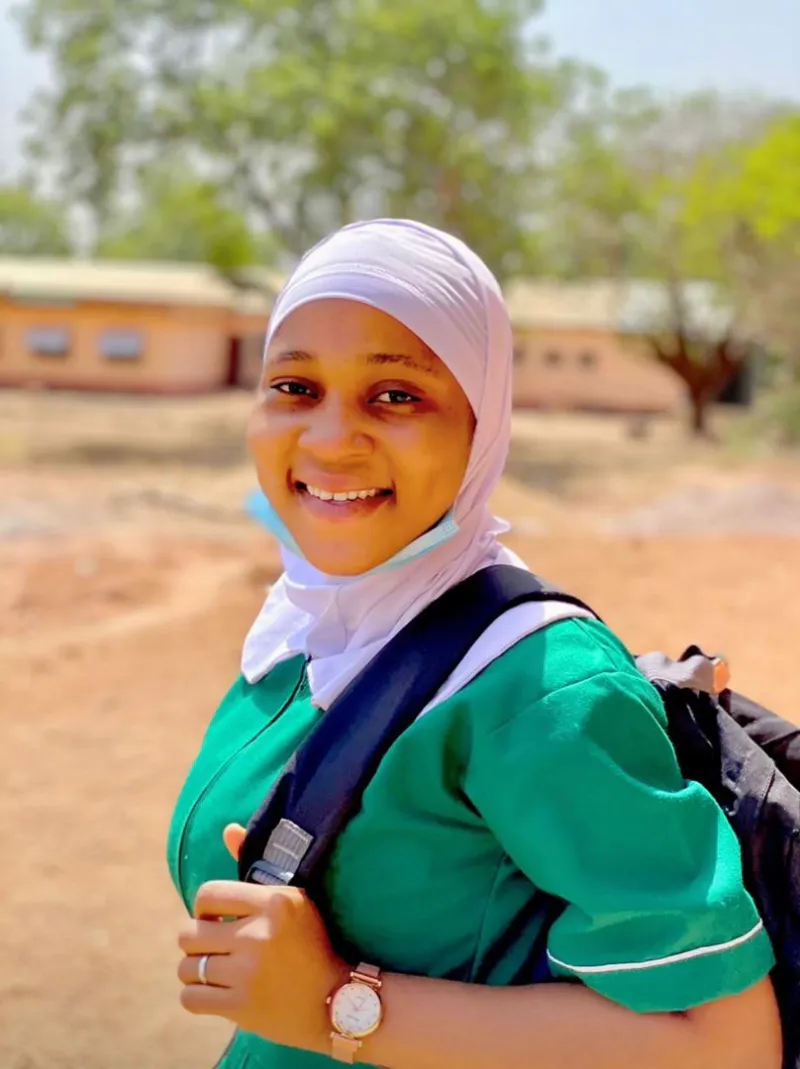
Photo: Sir Amugi, CC BY-SA 4.0, via Wikimedia Commons
There is a room in nearly every Humboldt County school where the county's health statistics are quietly interrupted. A kindergartner's vision screening catches a lazy eye before it becomes a permanent learning barrier. An asthmatic fourth grader's inhaler gets labeled and stored where a substitute teacher can find it. A seventh grader who has stopped eating lunch sits down on a cot and, for the first time, says out loud that things at home are not okay.
None of those moments appear on a medical bill. All of them prevent one.
The Argument, Stated Plainly
School nurses are the most cost-efficient point of health contact the county has. They see children repeatedly, in a setting families already trust, without requiring a drive, a co-pay, or a day off work. They catch conditions that are cheap to treat early and expensive to treat late — dental decay, uncorrected vision, uncontrolled asthma, untreated hearing loss, immunization gaps, and the behavioral warning signs that precede a crisis.
That is not a sentimental claim about caring adults. It is an argument about where the health system has slack, and it is one Humboldt should make loudly.
What Actually Happens in a Health Office
Popular imagination holds that school nurses hand out bandages. In practice, the role is closer to a small public health department operating out of a converted storage room.
Chronic condition management. Asthma is the leading cause of school absence nationally, and Humboldt's damp climate, wood smoke, and seasonal wildfire smoke do not help. A nurse who writes an asthma action plan keeps a child in class rather than in an emergency department.
Screening and referral. Vision and hearing screening identify problems that masquerade as attention difficulties or reading delays. Scoliosis screening catches curvature early. Dental screening surfaces decay that a family without a regular dentist has not yet addressed.
Immunization tracking. School nurses are the county's de facto immunization registry, chasing records, identifying gaps, and connecting families to public health clinics during outbreaks.
Medication oversight. For students with diabetes, severe allergies, seizure disorders, or ADHD, the health office is the difference between a safe school day and a gamble.
Mental health triage. Nurses are often the first adult to notice a change in a student's sleep, appetite, or self-report. They do not replace counselors, but they are frequently the doorway to one.
The Staffing Math
Here is the uncomfortable part. California has long ranked near the bottom nationally in school nurse staffing, and the ratio recommended by the National Association of School Nurses — one nurse for every 750 students — is far from what many districts achieve. Some California districts report ratios several times that figure.
In Humboldt, the numbers are complicated by geography. A single nurse may be assigned to several schools separated by mountain roads, driving between sites rather than providing care at any one of them. When a nurse is split across three campuses, the practical ratio on any given day is not a ratio at all — it is a schedule.
Many rural schools rely on health aides, office managers, and teachers to fill the gap. These staff are capable and often deeply committed, but they are not licensed to assess, and they will tell you so.
Why the Funding Is a Patchwork
The role is supported by a stack of funding streams that rarely align: district general funds under the Local Control Funding Formula, state and federal grants aimed at school-based health, Medi-Cal billing for eligible services, and periodic one-time investments that arrive with expiration dates attached. Each stream has its own reporting requirements, and each is vulnerable to a budget cycle.
For a small rural district, the administrative overhead of assembling that funding can exceed the value of any single piece. A grant that pays for a nurse for two years may leave the district holding a program it cannot sustain — a familiar pattern in rural public health, and one that argues for stable, formula-based support rather than pilot programs.
What Parents Can Do
-
Return the forms. Medication authorization, asthma action plans, and emergency contact updates are the unglamorous infrastructure of a safe school day.
-
Update immunizations and physicals before the school year starts, not after a notice arrives.
-
Ask who staffs the health office at your child's school and on which days. The answer may be a nurse, a health aide, or the front office.
-
Attend Local Control and Accountability Plan meetings and ask specifically about health services staffing. LCAP discussions are where district priorities are set, and a question asked in public is harder to defer.
-
Volunteer for screening days. Vision and hearing screening days require adults, and districts welcome trained volunteers.
-
Flag patterns, not just incidents. If your child is visiting the health office weekly with stomachaches, that is information the nurse needs.
What Communities Can Do
Local employers, tribal health programs, community clinics, and service clubs all have a stake here. Partnerships that place a nurse across several small schools, or that share a school-based health center between a district and a clinic, have worked elsewhere in rural California and are worth pursuing deliberately rather than grant by grant.
County public health can also treat schools as what they are: sentinel sites. Absence data, screening results, and health office visit logs are early warning systems for outbreaks, air quality events, and family strain. Sharing that information — with appropriate privacy protections — benefits everyone.
The Room Worth Defending
The case for school nursing is not that it is compassionate, though it is. The case is that it is efficient. Every dollar placed in a health office buys monitoring, prevention, and early referral at a scale that no clinic waiting room can match, and it reaches children whose families may never otherwise encounter the health system at all.
Humboldt County cannot afford to treat that room as an afterthought. It is, for many students, the first clinic they will ever walk into — and sometimes the only one they trust.